

Teachers
Teachers are educators who play a crucial role in facilitating learning and development in students. They work in various educational settings, such as schools, colleges, and universities, and are responsible for imparting knowledge, fostering critical thinking, and helping students acquire essential skills. Teachers design and deliver lessons, assess student performance, and create a positive and inclusive learning environment.
Types of Teachers


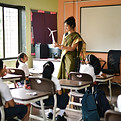
Depending on your interests and the kind of work you hope to do, certain areas of the educational field may appeal more to you. Understanding the different types of teachers that exist can help you pursue the speciality you are most passionate about.
1) Preschool Teachers:
Preschool teachers, often holding an associate or bachelor's degree in education, play a crucial role in laying the foundation for a child's academic success. They manage daily activities, create lesson plans, and focus on developing academic, behavioral, and social skills in young learners.
2) Elementary School Teachers:
Elementary school teachers, typically with at least a bachelor's degree in education, work with students in self-contained classrooms or specialize in specific subjects. They teach a range of subjects, including reading, math, social studies, and science, playing a fundamental role in shaping a child's overall academic and social development.
3) Middle School Teachers:
Middle school teachers, specializing in one or two subjects, help students transition from elementary to high school. They focus on creating engaging learning experiences for adolescents, understanding the unique challenges of this age group. Middle school teachers often act as mentors and may be involved in extracurricular activities.
4) High School Teachers:
High school teachers usually specialize in a single subject, teaching students across multiple grades. They prepare students for advanced coursework and guide them toward graduation. High school teachers can have a profound impact on students' lives, providing mentorship and writing recommendations for college or employment.
5) Special Education Teachers:
Special education teachers work with students who have various disabilities, providing tailored instruction and support. They collaborate with other educators and specialists to create individualized education plans. Special education teachers are advocates for their students, addressing both academic and social-emotional needs.
6) Bilingual Teachers:
Bilingual teachers work in programs where they teach in more than one language, addressing the needs of students from diverse linguistic backgrounds. They play a crucial role in helping students maintain their home language while acquiring proficiency in a second language.
7) Home-School Teachers:
Home-school teachers, whether parents or certified educators, provide personalized education outside traditional school settings. They offer flexibility in curriculum and often incorporate family values into their teaching. Home-school teachers contribute to a customized learning experience.
8) Vocational Teachers:
Vocational teachers, often professionals in trades like beauty, plumbing, or auto mechanics, share their expertise with students in community colleges or technical schools. While not always certified educators, they impact students by providing practical skills and guiding them toward successful careers in hands-on fields.
Responsibilities of a Teacher
Teachers create engaging lesson plans that will educate students and nurture an interest in education. They can instruct in various subjects and across different learning levels. Responsibilities of teachers include assigning and grading homework, documenting progress and planning instructional activities.
Specifically, teachers perform the following tasks:
-
Create educational material, such as assignments, course curriculum, notes and tests.
-
Coordinate and gather necessary material for presentations.
-
Manage classes to ensure an optimal learning experience for all students.
-
Plan educational events and activities.
-
Keep the classroom organized and clean. Teachers put away trash or supplies at the end of the day.
-
Accommodate the needs of their students by adapting their teaching material. They provide personalized instruction when necessary.
-
Organize and attend parent-teacher meetings. Teachers communicate with parents about student progress and answer questions when necessary.
-
Encourage students, as well as promote enthusiasm and interactive learning with positive reinforcement.
-
Evaluate and document student progress and grade assignments, homework and tests.
-
Distribute progress cards periodically.
A Day in the Life of a Teacher
A typical day in the life of a teacher involves a dynamic mix of responsibilities and interactions. Teachers dedicate their time to various tasks and engagements throughout the day:
Morning:
-
Arrive at school, typically between 7:15 and 7:30 a.m.
-
Collaborate with partner teacher for last-minute adjustments and address diverse learning needs.
-
Conduct scheduled IEPs or staff meetings if necessary.
Start of the School Day:
-
Greet students as they arrive and assist with morning routines.
-
Students work on planners, a communication tool for parents.
-
Engage students in activities, such as typing skills, based on individual needs.
Daily Schedule:
-
Opening: Begin the day with a structured opening routine.
-
Math: Teach math concepts and skills.
-
Specials: Rotate through activities like PE, Music, Art, Science, Guidance, and Technology.
-
Recess: Provide students with a break for physical activity.
-
Reading Groups: Facilitate small group reading sessions.
-
Whole Group Reading: Conduct whole-class reading activities.
-
Lunch/Recess: Oversee lunchtime and recess activities.
-
Writing: Guide students in writing exercises.
-
Recess: Allow for a second break during the day.
-
Social Studies/Science: Cover topics in social studies or science.
Lunchtime (Prep and Duty):
-
Utilize lunch break for preparing upcoming lessons or completing administrative tasks.
-
Some teachers may have recess duty during lunch breaks.
Afternoon Schedule:
-
Continue with lessons, addressing individual and group needs.
-
Attend staff meetings, team meetings, PLC meetings, and other scheduled sessions.
-
Handle IEPs, parent meetings, BIT meetings, and professional development.
End of the School Day:
-
Dismiss students at the end of the school day.
-
Collaborate with colleagues to organize and plan for the next day based on data collected.
After-School and Evenings:
-
Respond to parent inquiries and concerns.
-
Juggle phone calls related to medication changes, makeup work, schoolwork, and social issues.
-
Spend evenings preparing for the next day and addressing professional responsibilities.
-
Some weekends may involve additional work at school to catch up on tasks.
This routine showcases the multifaceted nature of a teacher's role, requiring adaptability, continuous assessment, and commitment beyond traditional school hours. Teachers often extend their dedication beyond the classroom to ensure the well-being and success of their students.
Benefits of Becoming a Teacher
No matter the type of teacher you are, having this profession comes with several advantages. Understanding the benefits of this job can help you determine whether you want to pursue a career in this field.
Long Breaks
Most school districts have schedules that provide long breaks during the summer and additional time off throughout the year, such as spring break and holidays. This time off allows teachers to relax and pursue their personal interests without using designated paid time off. It may help teachers feel refreshed and support a good work-life balance.
Bond with Students
Working with students every day may help teachers create strong relationships with them. These may become long-lasting relationships where students want to keep in contact with their teachers as they grow and share updates throughout their lives. These relationships may also provide students with trust and support they may not otherwise have access to in their lives.
Transferable Skills
It's possible for teachers to decide they want to pursue a different career in education or a new industry. Teachers naturally develop a range of transferable skills they may apply to other jobs. Some examples of these skills include organization, adaptability and emotional intelligence.
Job Satisfaction
Teaching students may provide rewarding moments that contribute to job satisfaction. For example, it may feel exciting when students master a subject they previously struggled with or a class understands a challenging concept. This often provides teachers with a sense of satisfaction and motivates them to continue their job.
Opportunities to Learn
Teachers have the opportunity to learn about different subjects and specialize in different areas. This may help them continue to find new excitement in their career. It may also be appealing for people who are passionate about lifelong learning.
Sense of Community
Teachers often work in teams and collaborate with other professionals. They have other professionals they can rely on for support or go to discuss their concerns. The communities that exist within schools may help teachers feel respected and motivate them to continue to succeed.
Work Environment
Most teachers work inside and, depending on their district and their particular subject, have their own classrooms. Working at a school also provides regular work hours. School starts and finishes at the same time each day, and most schools have a requirement of how long they expect teachers to stay at school outside of instruction hours. This provides a consistent schedule, which may be helpful for family and leisure activities.
Potential for Tenure
Becoming a teacher provides the opportunity for employees to receive tenure. This helps create job security. Although tenure requirements vary, it often involves working for several years. Some districts may offer certain benefits packages for tenured teachers to receive after retirement.
Work Environment
Teachers usually work during school hours with students. They sometimes need to attend meetings with other teachers, parents or students before and after school. They regularly work in the evenings or on weekends to grade assignments and prepare lessons.
Some teachers work part-time and others full-time. They generally work nine months during the year and have the summer off unless they teach summer classes.
Teachers mostly work indoors, although elementary teachers sometimes supervise playgrounds outdoors. Teaching small children might involve exposure to high levels of noise.
Drawbacks of Becoming a Teacher
While being a teacher comes with several enticing advantages, you also need to consider the drawbacks of this profession. If these drawbacks don't outweigh the cons, this may be a suitable career for you.
Breaks without Pay
Although some districts may follow a year-round schedule, most districts use a schedule that provides students and teachers with summers off for breaks. This provides teachers with the ability to relax and enjoy time for leisure projects, but it also may affect their earnings. Budgeting properly may help teachers prepare for the months without paychecks, and pursuing a seasonal job may provide supplemental income during summer breaks.
Budgetary Challenges
Depending on the budget of the school you work for, you may likely experience constraints in regards to supplies, curriculum and development. Both public and private schools have limitations on how funds should be allocated which can feel frustrating at times. However, these challenges may often provide an opportunity to reach a compromise or create important change for current and future students.
Professional Development Days
Most school districts have several professional development days throughout the year for activities like workshops, team-building activities and guest speakers. Depending on what the administration decides to schedule for these days and what the teachers specialize in, the events of the day may not apply to teachers. However, these days may allow teachers to learn new things and work with other teachers they may not work with on normal workdays.
Varied Learning Styles
While not necessarily a drawback, the challenge of teaching to different kinds of learners can feel difficult and potentially, overwhelming. Some students may feel disconnected in the classroom or unmotivated to complete their work. It may be frustrating to try to help these students succeed, especially for teachers who feel they've tried everything and the student doesn't change. However, these challenges may allow teachers to help students who may not have anyone else supporting or encouraging them and find learning breakthroughs where other teachers haven't been as successful. Learning how to connect with students and help them understand, can foster more fulfilling relationships with them.
Workload
Teachers often have responsibilities that require completion aside from standard classroom instruction. For example, they may use evenings and weekends to plan lessons, grade assignments and complete administrative tasks. However, teachers may have additional breaks to help balance the workload. Creating a schedule with boundaries about where they complete work and limiting how much they do outside of work may support a good work-life balance.
Student Performance Evaluation
Many states and school districts prioritize achieving high scores on standardized tests. This may be frustrating for teachers to feel limited in how they can instruct students or what to include in their lessons. However, teachers may be able to work with their administration to create plans and continue their students to try their best in all aspects of school.
Recommended High School Classes
If you have a strong aspiration to become a teacher, it's crucial to prepare for your future success as early as possible. Enrolling in high school courses that offer foundational knowledge and essential skills required for your teaching career can significantly streamline your path towards becoming a successful teacher.
English/Literature:
Strong written and verbal communication skills are crucial for teachers. English courses help develop these skills, enabling teachers to articulate concepts clearly and engage effectively with students.
Mathematics:
For those considering teaching math or related subjects, a solid understanding of mathematical concepts is essential. High school math courses provide the foundation for teaching mathematical principles at various levels.
Science:
Aspiring science teachers or educators in STEM fields benefit from taking high school science courses. Understanding scientific principles and processes is vital for teaching science effectively.
Social Studies / History:
High school history and social studies courses provide a strong background for teachers focusing on these subjects. Knowledge of historical events, geography, and societal structures is crucial for teaching social studies.
Foreign Languages:
For those interested in teaching foreign languages, high school language courses are invaluable. Proficiency in a foreign language enhances the ability to teach language skills effectively.
Psychology / Sociology:
Understanding human behavior and societal dynamics is beneficial for teachers in any subject. Psychology or sociology courses can provide insights into student development, learning styles, and effective classroom management.
Public Speaking/Communication:
Teachers frequently engage in public speaking and communication. Courses in public speaking or communication help develop effective presentation skills, a valuable asset in the classroom.
Computer Science/Technology:
In the digital age, technology is an integral part of education. High school courses in computer science or technology can equip future teachers with skills needed for incorporating technology into their teaching practices.
Philosophy / Ethics:
Courses in philosophy or ethics can contribute to a teacher's understanding of educational philosophies, ethical considerations in teaching, and the development of a personal teaching philosophy.
While not all high school subjects are directly related to teaching, a diverse educational background can contribute to a teacher's adaptability and effectiveness in the classroom.
It's essential to note that while these subjects are recommended, if you have a particular specialization in mind that you're passionate about, you can opt for classes that align with that specialization. Your enthusiasm and commitment to your chosen path will play a pivotal role in your journey toward becoming a successful teacher.
Skillsets of Teachers
Best Extracurriculars to become a Teacher
Participating in extracurricular activities during high school is essential for building a strong resume as you pursue a career in teaching. These activities not only demonstrate your academic prowess but also highlight your commitment to personal development, leadership, and a genuine passion for working with students.
Here's a simplified overview of key extracurricular activities to consider:
-
Student Teaching:
-
Showcase your dedication to teaching by excelling in your student teaching placement. Participate in activities beyond the classroom, like supervising students, attending meetings, and engaging in conferences to demonstrate a well-rounded understanding of the teaching profession.
-
-
Work or Volunteer Experience:
-
Gain leadership skills and patience through work experiences like camp counseling, private tutoring, or babysitting. Volunteer activities, such as assisting at schools or community centers, highlight your commitment to community involvement and contribute to a comprehensive resume.
-
-
Drama, Music, Dance, and Sports:
-
Demonstrate your eagerness to engage in diverse experiences through activities like drama, music, dance, or sports. Involvement as a teacher or participant in these areas showcases a holistic approach to education and a willingness to mentor students.
-
-
Community Service:
-
Engaging in community service reflects your commitment to making a positive impact. Activities such as volunteering at local organizations or participating in service projects showcase your dedication to serving others.
-
-
Public Speaking:
-
Develop strong communication skills by engaging in public speaking opportunities. Participate in events, clubs (eg. debate clubs), or competitions that allow you to express ideas confidently, an essential skill for effective teaching.
-
-
Related Skills:
-
Include hobbies and interests that align with your teaching skills. For example, if you're a geography teacher, mention relevant experiences like archaeological digs. Showcase achievements, such as winning awards in unique areas like chess championships, to emphasize a diverse skill set.
-
Engaging in these extracurricular activities not only enriches your high school experience but also paints a compelling picture of your skills, experiences, and passion for education. School administrators seek candidates with a well-rounded profile, and your involvement in various activities, including community service and public speaking, sets you apart as a dedicated and versatile prospective teacher.

Best Countries to Study Education in
Keep in mind that when choosing a college to apply to, the ideal college for you doesn't necessarily have to be the most prestigious one. It's important to take into account your personal needs and life goals, rather than solely focusing on its reputation.
Hong Kong
-
International Competency: Hong Kong focuses on international competency, with a diverse teaching staff from around the world.
-
Unique Culture: Immerse yourself in Hong Kong's unique culture, exploring its heritage and enjoying local delights.
-
Career-Boosting Programs: Graduates can explore teaching opportunities and apply for career-boosting graduate programs.
-
Top Universities:
-
The University of Hong Kong
-
The Education University of Hong Kong
-
The Chinese University of Hong Kong
-
-
Canada
-
World-Class Education: Canada offers top-notch education, with universities like the University of Toronto and the University of British Columbia.
-
Increasing Job Demand: The country anticipates a growing demand for teachers, providing ample job opportunities.
-
High Quality of Life: Experience a high quality of life during your studies and potentially choose to settle in Canada post-graduation.
-
Top Universities:
-
University of Toronto
-
University of British Columbia
-
McGill University
-
-
Finland
-
Scholarship Opportunities: Finland offers scholarship opportunities, making education more affordable for international students.
-
Innovative Teaching Style: Experience Finland's innovative teaching style, emphasizing interdisciplinary competencies.
-
Excellent Quality of Life: Enjoy a high quality of life in one of the safest countries globally, with stable economic conditions.
-
Top Universities:
-
University of Helsinki
-
University of Jyväskylä
-
Tampere University
-
-
New Zealand
-
Successful Education System: Benefit from New Zealand's successful education system, providing a comprehensive view of teaching.
-
Affordable Universities: Access budget-friendly yet high-quality education at New Zealand universities.
-
Outdoor Adventures: Experience outdoor adventures in the stunning landscapes of New Zealand.
-
Top Universities:
-
The University of Auckland
-
University of Otago
-
University of Waikato
-
-
Belgium
-
In-Depth Teaching Training: Receive in-depth teaching training, especially if you're interested in pre-primary and primary levels.
-
Multilingual Society: Immerse yourself in Belgium's multilingual society, offering the chance to learn various languages.
-
Well-Established Institutions: Choose from well-established institutions like KU Leuven and Ghent University.
-
Top Universities:
-
KU Leuven
-
Ghent University
-
Catholic University of Louvain
-
-
How to become a Teacher
Embarking on the journey to become a teacher involves a series of steps to ensure you are well-prepared for the challenges and rewards of the profession.
Here are the simplified steps to becoming a teacher:
1. Get a Bachelor's Degree
-
Obtain a bachelor's degree in education or teaching from an accredited institution. Some teaching positions, especially in higher education, may require additional college credits in your subject area.
-
Be mindful of admission requirements, which may include a minimum GPA, SAT scores, or competency exams like the PRAXIS Core.
2. Obtain Practical Training
-
Participate in supervised teaching during and after your degree program. Gain hands-on experience managing classrooms, understanding student needs, and navigating cultural influences on learning.
-
Ensure that the school where you conduct your supervised teaching is approved by your university. Specialized training programs may be available for career changers seeking teacher certification.
3. Pass Required Exams
-
Fulfill testing requirements based on the school and subject you plan to teach. Subject-specific exams may be necessary for certain grade levels or topics.
-
Prepare for education-competency exams such as PRAXIS II or state-regents' exams. Some states may require the Teacher Performance Assessment (edTPA), where future teachers self-assess their classroom performance.
4. Get a State Teaching License
-
Research teaching licensure requirements specific to your state before starting your degree program.
-
Complete prerequisites, which often include a clean criminal background check and meeting GPA requirements, to obtain a state teaching license.
5. Get a Master's Degree
-
Consider pursuing a master's degree after obtaining teacher certification, especially if your field, like special education, requires advanced qualifications.
-
Some states mandate a master's degree for certification in specific areas, making continued education a valuable investment in your teaching career.
Embarking on the path to becoming a teacher requires dedication, practical experience, and ongoing professional development.
Stay informed about state-specific requirements and be prepared to adapt your educational journey to meet the evolving needs of the teaching profession.